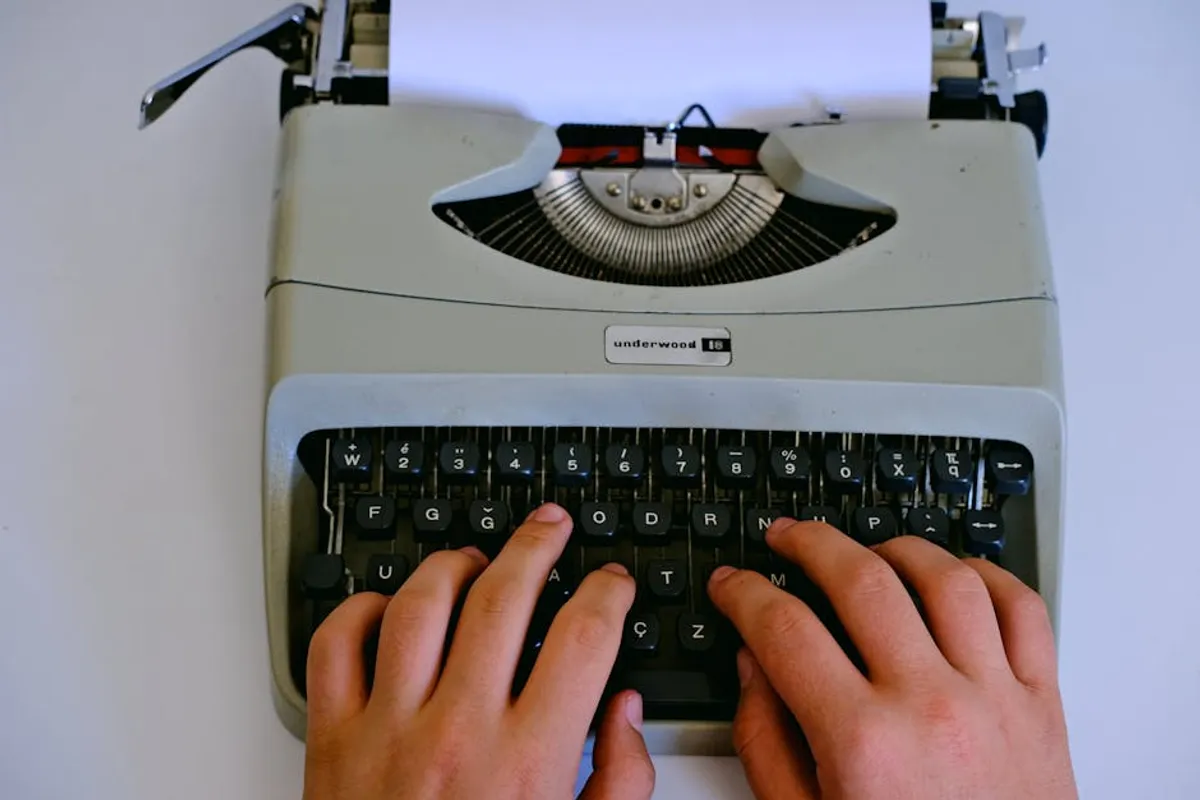
New authors frequently face the daunting challenge of a blank page, struggling to initiate ideas or maintain consistent writing momentum. This isn't a failure of imagination, but often a lack of structured entry points. Writing prompts, when used strategically, serve as invaluable catalysts, providing immediate direction and reducing decision fatigue. However, not all prompts are equally effective, and a haphazard approach can yield minimal results. A well-designed writing prompts checklist transforms a passive activity into a targeted skill-building exercise, guiding new authors to select prompts that genuinely advance their craft, explore new narrative territories, and build the discipline necessary for sustained output. This approach moves beyond simply generating content, focusing instead on developing the foundational muscles of storytelling. This process can be significantly enhanced by developing consistent writing routines, ensuring that practice becomes a regular habit.
Why a Structured Prompt Checklist Matters for New Authors
For those embarking on their writing journey, the sheer volume of advice and potential starting points can be overwhelming. A checklist provides a systematic framework, ensuring that each writing session contributes meaningfully to overall development rather than just filling pages. It streamlines the selection process and encourages intentional practice.
Overcoming Blank Page Paralysis
The "blank page" phenomenon is a common barrier, often stemming from an abundance of choice or the pressure to produce something perfect immediately. A checklist pre-qualifies prompts, offering a curated selection that aligns with specific writing goals. This reduces the cognitive load associated with originating ideas from scratch, allowing authors to transition directly into the act of writing. By narrowing the field, it conserves creative energy for the actual narrative development, rather than expending it on initial concept generation.
Developing Consistent Writing Habits
Consistency is paramount for new authors, yet it's frequently derailed by a lack of clear objectives for each session. A prompt checklist fosters discipline by providing a ready-made task. When a writer knows they need to select a prompt that meets specific criteria (e.g., character-driven, setting-focused, dialogue-heavy), the process becomes less about inspiration and more about execution. This structured approach builds a reliable routine, transforming sporadic efforts into a regular, productive practice.
Exploring Diverse Genres and Styles
Many new authors gravitate towards a single comfortable style or genre, inadvertently limiting their range. A checklist, designed to encourage variety, can push writers beyond their comfort zones. By including criteria for different narrative structures, points of view, or thematic elements, the checklist ensures exposure to a broader spectrum of writing challenges. This deliberate exploration expands an author's versatility, making them more adaptable and skilled across various forms of storytelling. This variety also aids in the process of crafting compelling characters, pushing authors to consider diverse backgrounds and motivations.
Essential Elements of Your Writing Prompts Checklist
To maximize the utility of writing prompts, new authors should evaluate them against specific criteria. These elements ensure the chosen prompt offers a valuable learning opportunity and contributes to skill development.
Clarity and Specificity
An effective prompt provides clear boundaries and specific elements to work with, preventing vagueness that can lead to aimless writing. Look for prompts that define at least one of the following: a character's core motivation, a unique setting, a central conflict, or a specific object. For example, "Write about a character who finds a mysterious key" is less effective than "Write a scene where a reclusive locksmith discovers a key that doesn't fit any known lock, leading them to question their solitary existence." The latter provides concrete starting points.
Emotional and Conflict Potential
Strong narratives are built on emotion and conflict. Your checklist should prioritize prompts that inherently suggest dramatic tension or emotional resonance. Prompts that involve difficult decisions, unexpected revelations, or clashing desires offer more fertile ground for story development. Avoid prompts that are purely descriptive unless the goal is specifically to practice descriptive writing without narrative progression.
Open-Endedness vs. Directed Focus
The best prompts strike a balance. They offer enough direction to start but sufficient open-endedness to allow for creative interpretation. A prompt that is too prescriptive can stifle originality, while one that is too vague can overwhelm. Look for prompts that provide a strong premise but leave room for character agency and plot twists. This balance ensures both guidance and creative freedom.
Word Count or Time Constraints
For new authors, practicing within limits is crucial for developing efficiency and focus. Include a checklist item for prompts that suggest a specific word count (e.g., 500 words, 1000 words) or a time limit (e.g., 30 minutes). These constraints simulate real-world writing deadlines and help develop the ability to craft complete narratives within defined parameters.
Genre and Format Variety
Deliberately seeking out prompts that challenge different genres or formats broadens a writer's skill set. Your checklist should encourage exploring:
- Short story prompts: Focus on plot, character arc, resolution.
- Scene prompts: Emphasize dialogue, setting description, immediate action.
- Character study prompts: Develop backstories, motivations, internal monologue.
- Poetry prompts: Explore imagery, metaphor, rhythm.
- Dialogue-only prompts: Practice natural conversation and subtext.
This variety ensures a holistic development of writing capabilities.
Personal Relevance or Challenge
While exploring new territories is valuable, prompts that resonate personally can unlock deeper emotional engagement. Include a checklist item for prompts that touch upon themes, experiences, or questions that genuinely interest you. Conversely, also seek prompts that challenge a perceived weakness, such as writing from a different point of view or exploring a genre you typically avoid. This dual approach ensures both passion and growth are addressed.
Building Your Personalized Prompt Checklist
Creating your own checklist involves identifying your specific writing goals and tailoring the criteria accordingly. This is not a static document; it should evolve as your skills develop.
Here’s how to construct it:
- Define Your Current Weaknesses: Are you struggling with dialogue? Plotting? Character motivation? Prioritize prompts that target these areas.
- Identify Learning Goals: Do you want to try a new genre? Practice a specific narrative technique (e.g., unreliable narrator, epistolary format)?
- Set Time/Word Limits: Decide on practical constraints for your prompt sessions to build discipline.
- Curate Prompt Sources: Keep a running list of websites, books, or personal observations that generate interesting ideas.
- Review and Adapt: Periodically assess what's working and what isn't, adjusting your checklist criteria as needed.
Pro Tip: When evaluating a prompt, ask yourself: "Does this prompt immediately suggest a character, a conflict, and a potential resolution, even if rudimentary?" If the answer is no, it might be too abstract for focused practice. Prioritize prompts that offer clear narrative hooks over purely conceptual ones.
Integrating Prompts into Your Writing Routine
A checklist is most effective when consistently applied. Dedicate specific, non-negotiable blocks of time each week solely to working with prompts. Treat these sessions as practice, distinct from working on a larger project. The goal is to experiment without the pressure of perfection. Once you've completed a prompt, briefly review what you learned: Did you struggle with pacing? Was the character believable? This reflective step solidifies the learning and informs future prompt selections.
Refining Your Prompt Selection Process
Continuously refine your approach to writing prompts. After completing several prompts, analyze which types yielded the most productive writing and the most significant skill development. If you consistently find yourself drawn to character-driven prompts, consider challenging yourself with more plot-focused or setting-intensive ones. Conversely, if you frequently abandon prompts due to lack of interest, adjust your checklist to include more personally engaging criteria. The objective is to make each prompt selection a deliberate step toward becoming a more versatile and proficient author, ensuring that your practice aligns with your evolving mastery of the craft.
FAQ
What is the primary benefit of using a writing prompts checklist?
The primary benefit is overcoming blank page paralysis and developing consistent writing habits by providing a structured, intentional approach to practice, ensuring each session contributes to skill development rather than aimless writing.
How often should a new author use writing prompts?
New authors should aim to use writing prompts at least 2-3 times per week, dedicating specific, uninterrupted blocks of time (e.g., 30-60 minutes) to these exercises to build momentum and explore different narrative techniques.
Can writing prompts help with developing a unique authorial voice?
Yes, by consistently experimenting with diverse genres, perspectives, and emotional ranges through prompts, authors naturally uncover and refine their unique voice as they discover what stylistic elements and thematic concerns resonate most strongly with their individual expression.
Should I finish every writing prompt I start?
While completing prompts is beneficial for developing follow-through, the primary goal for new authors is learning and exploration. If a prompt isn't yielding productive insights or genuinely stifling your creativity, it's acceptable to move on, provided you reflect on why it wasn't effective to inform future prompt selections.



Start the conversation
Thoughtful disagreement welcomed. Promotional links quietly removed.