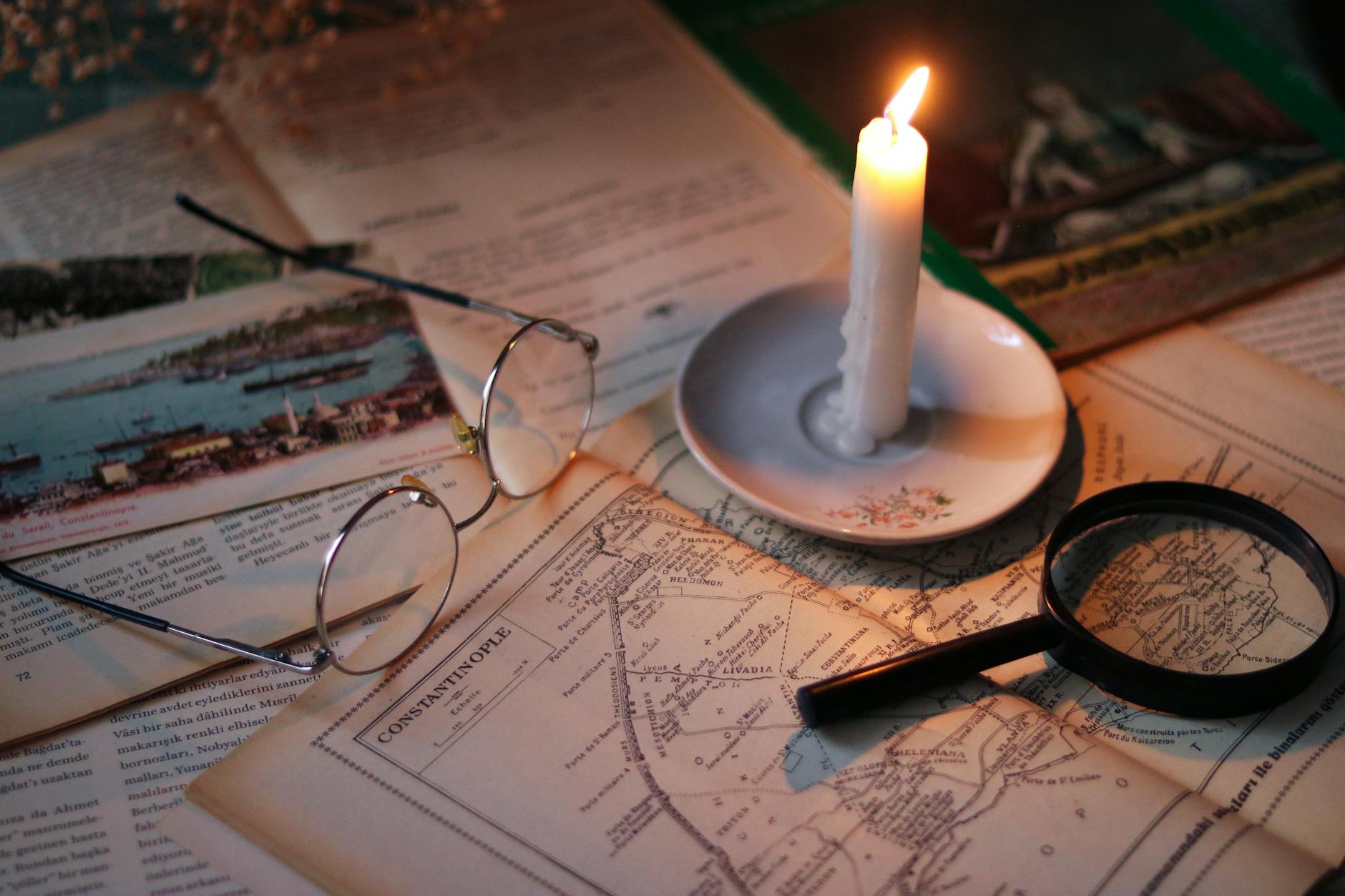
Fantasy and science fiction writers love a good map. Many novels even print one at the front. Readers, mostly, flip past it. This isn't a problem with the map. It's a clue about what worldbuilding actually does.
What the writer needs
The writer uses the map as scaffolding. You can't write a scene where characters travel from A to B without knowing roughly how long it takes, what's in between, what the land does to them along the way. In that sense, the writer is making a map whether they draw one or not.
But the map is a producer's document. It's for the author's internal consistency. The reader doesn't need the whole map; the reader needs the stretch of road this character walked on the afternoon you're writing.
What the reader needs
The reader needs sensory specifics about the half-mile they're currently imagining. The colour of the dust on the road. Whether the road is sunken below the fields or raised above them. What kind of bird calls from the hedge. One sentence of this kind of detail will put the reader in the landscape more firmly than any map ever could.
So the writer's job isn't to transmit the map. It's to walk their character across a small patch of it and report what's actually there. Every map turns into a landscape, one scene at a time.
When a map is actually worth including
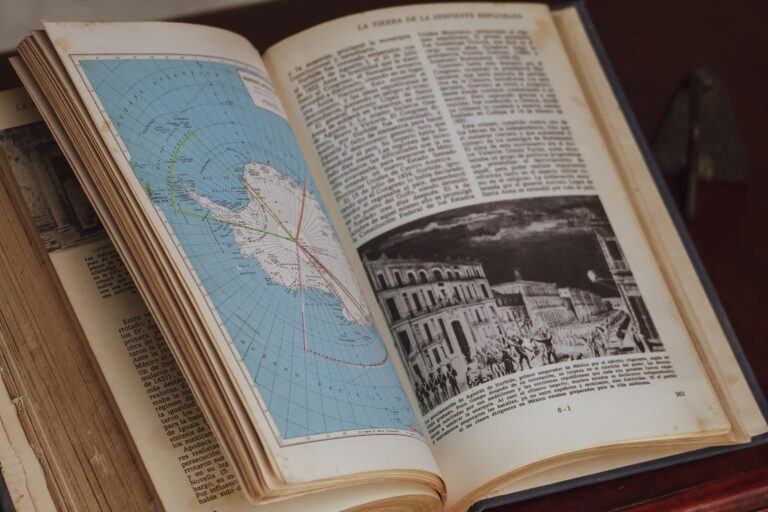
A published map at the front of a novel does one useful thing: it tells the reader that the author took the geography seriously. It's a signal of rigour. But it rarely drives reader investment. The investment comes from scene-level specificity.
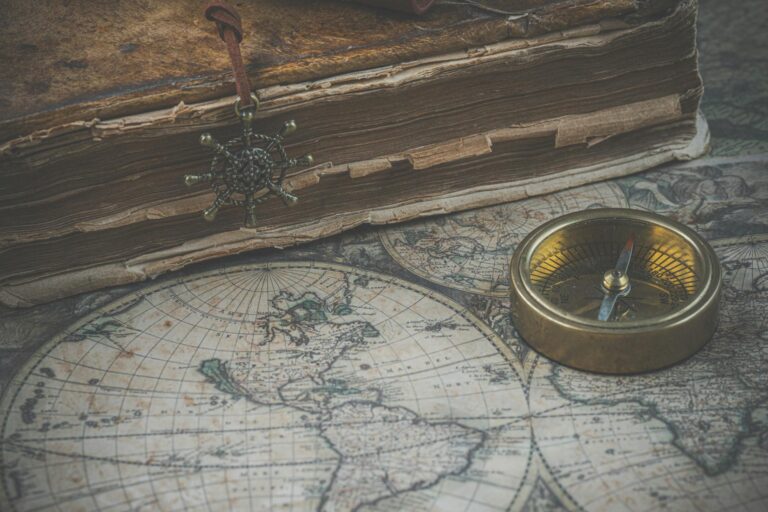
If you're going to include a map, make it your map — idiosyncratic, with labels that reveal perspective. A map with a region marked “the quiet country” tells the reader something. A map with crisp cartography and proper coastlines tells the reader nothing they couldn't have guessed.
The substitution test
Take any scene set in a distinctive part of your world. Ask: if the reader hadn't seen the map, would this scene still locate them? If the answer is “no, they'd be lost,” the scene is relying on the map to do the work — and the scene is under-written. Scenes have to carry their own geography through sensory detail, not borrow it from the front matter.
A good test: read a scene aloud with someone who's never seen your map. After the scene, ask them where the characters are. If they can describe the place back to you — not the geopolitical context, just the place — the scene is doing its job. If they can't, more specifics needed. Not more map.

Start the conversation
Thoughtful disagreement welcomed. Promotional links quietly removed.