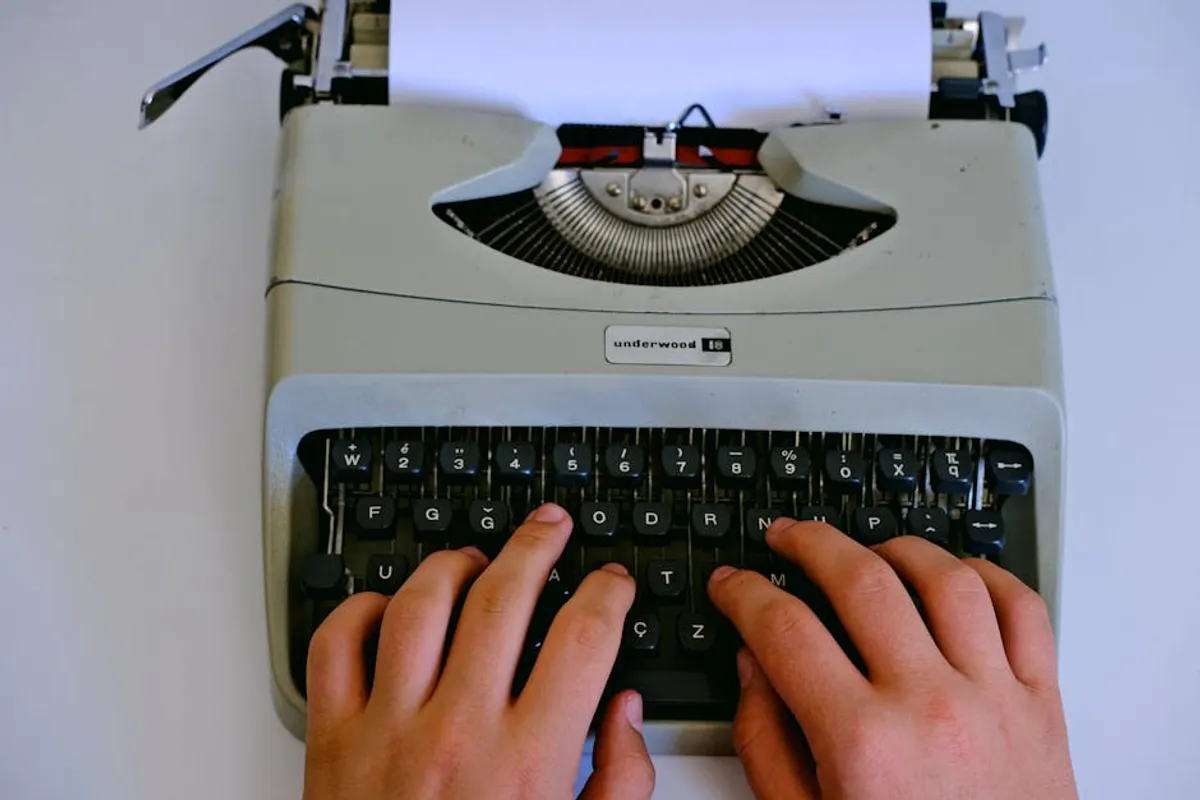
Publishing a first draft represents a significant milestone, yet the commercial viability and long-term success of a work often hinge on the decisions made between completing that draft and its public release. Many aspiring authors and independent publishers, eager to share their work, inadvertently undermine their efforts by rushing this crucial transition. The temptation to publish quickly, without adequate preparation, frequently leads to common, avoidable mistakes that diminish reader experience, damage reputation, and ultimately limit sales potential. Understanding these pitfalls and implementing structured solutions can transform a raw manuscript into a polished, market-ready product, ensuring that the initial investment of time and creative energy yields its intended returns. To avoid these common missteps, consider using a publishing checklist to ensure all critical steps are addressed before release.
Mistake 1: Neglecting Professional Editing
A common misstep is the belief that a personal review or a friend's read-through suffices for a manuscript destined for public consumption. This overlooks the specialized skill set of professional editors, who provide an objective, critical lens essential for quality assurance.
The Cost of Typos and Grammatical Errors
Minor errors, such as typos, punctuation mistakes, and grammatical inconsistencies, might seem trivial individually. However, their cumulative effect is significant. Readers frequently cite these issues in reviews, leading to lower ratings and a perception of unprofessionalism. This directly impacts sales velocity and word-of-mouth recommendations. A copy editor or proofreader specifically targets these surface-level errors, ensuring precision and clarity in every sentence. Their work prevents reader frustration and upholds the author's credibility, which is crucial for building a loyal readership.
Overlooking Structural and Developmental Issues
Beyond surface errors, many first drafts suffer from deeper structural or developmental problems. These include inconsistent pacing, underdeveloped characters, plot holes, repetitive phrasing, or an unclear narrative arc. A developmental editor assesses the manuscript's core components, identifying areas where the story falters or could be strengthened. Without this level of intervention, a compelling concept can be rendered ineffective, leaving readers disengaged and unlikely to finish the book, let alone recommend it. Addressing these issues before publication ensures the narrative flows logically and emotionally resonates with its target audience.
Pro Tip: Do not view professional editing as an optional expense. Consider it a non-negotiable investment in your product's quality and market reception. The cost of a poorly edited book, measured in lost sales and negative reviews, almost always outweighs the upfront expense of professional services.
Mistake 2: Ignoring Reader Experience and Formatting
The content of a book is paramount, but its presentation directly influences how that content is received. Poor formatting creates friction, distracting readers from the narrative itself.
Inconsistent Styling and Layout
A first draft often lacks the consistent styling that professional publications exhibit. This can manifest as erratic chapter headings, inconsistent paragraph indents, or varying spacing. Such inconsistencies disrupt the reading flow, making the text appear amateurish and difficult to navigate. Proper interior formatting ensures a clean, uniform presentation that allows the reader to focus solely on the story, enhancing immersion and overall satisfaction. This applies equally to both print and ebook versions, each requiring specific attention to their respective display constraints.
Poorly Chosen Fonts and Line Spacing
The choice of font, its size, and the line spacing significantly impact readability. Fonts that are too ornate, too small, or too tightly spaced can cause eye strain and fatigue, leading readers to abandon the book. Professional formatters select appropriate fonts (e.g., serif for body text in print, sans-serif for digital screens) and optimize line spacing to ensure comfort and legibility across various devices and print sizes. This technical detail directly affects reader endurance and enjoyment.
Lack of Essential Front/Back Matter
A complete book includes more than just the main text. Essential front matter (title page, copyright page, dedication, table of contents) and back matter (author bio, acknowledgments, bibliography, index, "also by" page) provide crucial context and enhance professionalism. Omitting these elements makes a book feel incomplete and can create legal vulnerabilities (e.g., missing copyright notice). Including them signals attention to detail and adherence to publishing standards, reinforcing the perception of a high-quality product.
Mistake 3: Skipping Crucial Pre-Publication Checks
Beyond the manuscript itself, several external elements contribute to a book's market readiness and legal standing. Neglecting these can lead to significant setbacks.
Forgetting Copyright and Permissions
Assuming automatic protection or failing to secure necessary permissions for third-party content (e.g., song lyrics, quotes, images) is a serious oversight. This can result in legal disputes, forced removal from sale, and financial penalties. Authors must understand copyright basics, register their work, and obtain written permission for any material they do not own, protecting both themselves and their publisher.
Inadequate Cover Design and Blurb
The cover and back-cover blurb are primary marketing tools, often the first point of contact with potential readers. A poorly designed cover that doesn't align with the genre, looks amateurish, or fails to convey the book's essence will deter sales. Similarly, a weak, unengaging, or error-filled blurb will fail to convert interest into purchase. Professional cover designers understand genre conventions and visual marketing, while compelling blurbs are crafted to hook readers and articulate the book's unique selling proposition. Investing in these elements is critical for discoverability and sales.
Underestimating Metadata and Keyword Research
Metadata—the title, author, genre, keywords, and description—is how digital storefronts and search engines categorize and present your book. Poorly optimized metadata means your book will not be found by its target audience. Thorough keyword research helps identify terms readers use to search for books like yours, while accurate genre categorization ensures it appears in relevant lists. Neglecting this step severely limits discoverability, reducing potential sales despite a quality product.
Mistake 4: Rushing the Publication Process
The final push to publish can often lead to skipping vital feedback loops and strategic planning, costing long-term success.
Bypassing Beta Readers or Sensitivity Readers
Beta readers offer early feedback on plot, character, pacing, and overall reader experience from a non-professional perspective. Their insights can reveal areas of confusion, boredom, or disbelief before publication. Similarly, sensitivity readers are crucial for works dealing with specific cultural, social, or identity themes, ensuring accuracy, respect, and avoiding unintentional harm or misrepresentation. Skipping these feedback stages means missing opportunities to refine the manuscript based on genuine reader reactions, leading to a less impactful and potentially problematic final product.
Launching Without a Marketing Plan
A common mistake is to publish a book and then begin thinking about how to sell it. A comprehensive marketing plan, developed well in advance of launch, is essential. This includes identifying target audiences, outlining promotional activities (e.g., social media campaigns, author website, email list building, launch team recruitment, advertising strategy), and setting clear objectives. Launching without a plan means missing critical momentum, failing to reach potential readers, and leaving sales to chance. A structured plan ensures sustained visibility and engagement post-publication.
Ensuring a Polished Debut
The journey from a completed first draft to a published book is multifaceted, requiring attention to detail across editing, formatting, legalities, and marketing. Each step, from the meticulous work of professional editors to the strategic planning of a book launch, contributes to the overall success and longevity of your work. Approaching publication with a methodical, quality-first mindset is not a delay; it is a strategic investment. By systematically addressing these common pitfalls, authors can present a professional, engaging, and commercially viable product that honors their creative effort and connects effectively with their intended audience.
Frequently Asked Questions
Can I edit my own first draft effectively?
While self-editing is a valuable part of the writing process, it is rarely sufficient for a publishable manuscript. Authors are too close to their own work to identify all errors, inconsistencies, or structural weaknesses. Professional editors provide an objective, expert perspective that significantly elevates the quality beyond what an author can achieve alone.
How much does professional editing typically cost?
Editing costs vary widely based on the type of edit (developmental, copyediting, proofreading), the editor's experience, and the manuscript's length and complexity. Rates can range from a few hundred dollars for a basic proofread of a short work to several thousand for comprehensive developmental and copyediting of a full-length novel. Obtaining quotes from multiple editors is recommended.
When should I start building my author platform and marketing plan?
Ideally, an author platform (e.g., website, social media presence, email list) should be established and nurtured well before the book is ready for publication. A marketing plan should be developed concurrently with the final stages of editing and formatting, at least 3-6 months before your anticipated launch date. This allows sufficient time to build anticipation and execute a strategic rollout.
Is it necessary to use beta readers if I have a professional editor?
Yes, beta readers and professional editors serve different, complementary roles. Beta readers offer early, non-professional feedback on the overall reading experience, identifying areas where the story might confuse or disengage a typical reader. Editors then use this feedback, alongside their own expertise, to refine the manuscript's structure, prose, and mechanics. One does not replace the other.



Start the conversation
Thoughtful disagreement welcomed. Promotional links quietly removed.