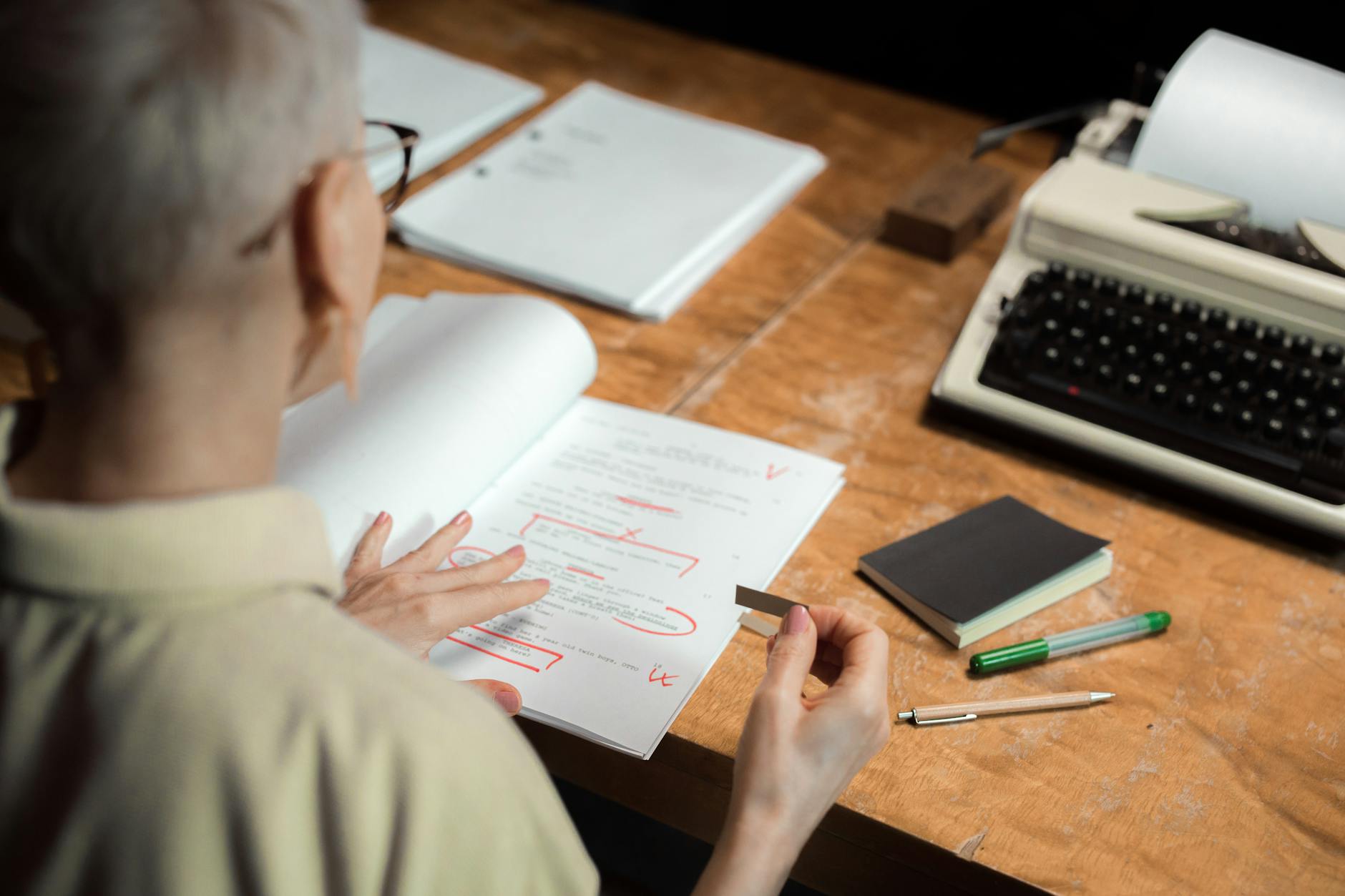
Revision is not a better version of drafting. It's a completely different faculty. Drafting is generative, reckless, inclusive — it says yes to every idea because ideas are what you need. Revision is curatorial, skeptical, disciplined — it says no to most of what drafting produced, so the good parts can breathe.
Most writers who can't finish a book are decent drafters and weak revisers. They keep returning to the beginning to polish sentences rather than moving forward. The sentence polish is a displacement activity — it's easier to feel productive rewriting paragraph three than it is to structurally redesign the middle act.
Why you can't revise while you draft
Drafting mode is maximally permissive. Every new scene gets to exist. The draft grows. If you drop into revision mode mid-draft, you start pruning scenes before they're fully written, and the manuscript shrinks below its own foundation. Many unfinished novels are victims of premature revision.
So the first discipline of revision is to finish the draft first. Bad ending is fine. Middle dragging is fine. Whole scenes you know you'll delete is fine. Finish the draft. Then switch brains.
What the second-pass reader does
The second-pass reader — the voice you have to become to revise — reads your draft like a stranger who paid for the book and is already two chapters behind schedule. Their question at every page is: why am I still here?
That question, ruthlessly applied, cuts more than you think. A scene that was fun to write but isn't answering a question the reader cares about — cut. A paragraph that sets mood for five lines when two would do — cut. A character who was important in the first draft but has been quietly replaced by another character — cut, consolidate, or rewrite.
The second-pass reader doesn't know why you wrote any specific line. They don't know how proud you are of the image of the lighthouse. They're asking, always: what is this doing for the book?
The one-sentence-per-page test
A useful revision pass: take every page of your draft and write one sentence summarising what changed for the characters on that page. If you can't summarise — nothing changed. If your summary is “they discussed the plan for another page,” that's a sign.
Then look at your list. Twenty consecutive pages whose summaries read “she was getting more suspicious” or variants — that's ten pages too many. The middle has drag. You now have a diagnosis, which is all revision really is: diagnosis, then targeted cuts or rewrites.
The hardest thing
Revision is hard not because it's technically difficult but because it's emotionally brutal. You have to delete good prose. You have to decide that a chapter you loved writing is not earning its weight. You have to break things you made.
The writers who finish books aren't more talented. They're better at becoming the stranger who wants the book to work, and worse at being the author who wants every sentence preserved. That's the switch. It's a muscle. It gets stronger with use.

Start the conversation
Thoughtful disagreement welcomed. Promotional links quietly removed.