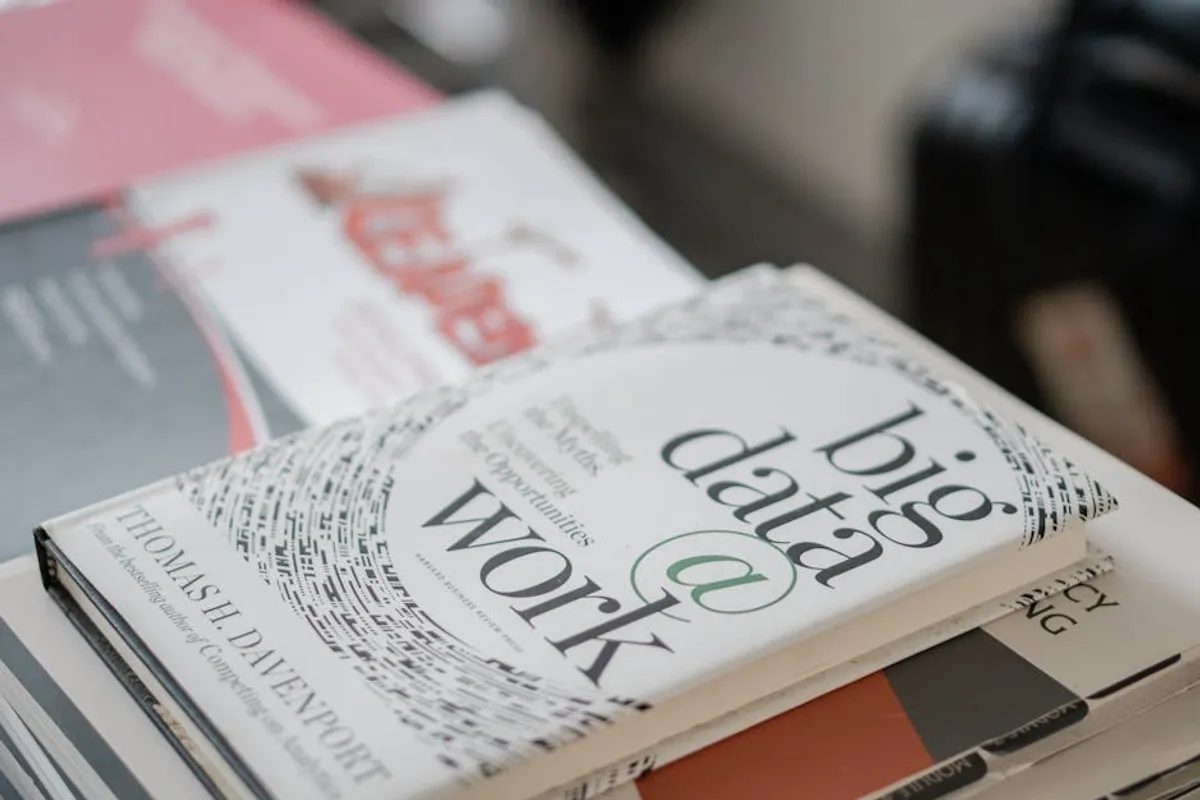
Navigating the book editing process can feel daunting for new authors, yet it is a critical step in transforming a manuscript into a publishable work. A professionally edited book enhances readability, strengthens narrative coherence, and ensures grammatical accuracy, directly impacting reader engagement and commercial viability. Understanding the distinct stages of editing and knowing when to apply each one helps authors allocate resources effectively and approach publication with confidence. This guide outlines the fundamental types of book editing, offering practical insights for authors beginning their publishing journey.
Understanding Core Editing Stages
Book editing is not a single pass but a layered process, each stage addressing specific aspects of the manuscript. Skipping stages or applying them out of sequence can lead to inefficiencies and overlooked issues, diminishing the final product's quality.
Developmental Editing
Developmental editing, sometimes called structural or substantive editing, focuses on the "big picture" elements of a manuscript. This stage addresses the foundational aspects of the story or argument, ensuring coherence and impact. An editor at this stage evaluates plot, character development, pacing, theme, narrative arc, world-building, and overall structure for fiction. For non-fiction, it scrutinizes the logical flow of arguments, clarity of concepts, organization of chapters, and completeness of information.
Best for: Manuscripts in their early to mid-stages, where significant revisions to content and structure are still possible. It helps authors refine their vision before investing in line-by-line corrections.
Line Editing
Following developmental work, line editing refines the manuscript at the paragraph and sentence level. This stage goes beyond mere grammar to consider the author's voice, tone, style, and word choice. A line editor works to improve the prose's flow, rhythm, and impact, ensuring that every sentence contributes effectively to the overall narrative or argument. They identify awkward phrasing, repetitive language, and areas where descriptive language could be strengthened or clarified.
Best for: Manuscripts that have a solid structure and clear narrative but need polish to elevate the writing quality and engage readers more deeply.
Copyediting
Copyediting is a meticulous review focusing on correctness, consistency, and accuracy. This stage addresses grammar, spelling, punctuation, syntax, and adherence to a chosen style guide (e.g., Chicago Manual of Style, APA). A copyeditor ensures factual accuracy where applicable, checks for consistency in character names, timelines, and settings, and corrects any typographical errors. They also verify proper formatting of citations and bibliographies in non-fiction works.
Best for: Manuscripts that are structurally sound and stylistically refined, ready for a thorough technical review before final production. This is typically the penultimate editing stage.
Proofreading
Proofreading is the final check before publication. It occurs after all other editing stages are complete and the manuscript has been formatted for print or digital distribution. The goal of proofreading is to catch any remaining surface-level errors that may have been introduced during previous revisions or formatting. This includes typos, incorrect punctuation, formatting inconsistencies (e.g., page numbers, headings), and minor grammatical slips. A proofreader compares the final formatted version against the copyedited manuscript.
Best for: Manuscripts that are fully edited, formatted, and nearly ready for publication. It serves as a last safeguard against embarrassing errors.
Sequencing Your Editing Process
The order in which these editing stages are applied is crucial for efficiency and effectiveness. Beginning with developmental editing ensures the core story or argument is sound before refining the prose. Line editing then polishes the language, followed by copyediting for technical correctness. Proofreading serves as the ultimate quality control check on the final, formatted text.
Pro Tip: Resist the urge to combine editing stages. Attempting to fix grammar and punctuation while still grappling with plot holes or character inconsistencies is inefficient. Significant structural changes often render line edits and copyedits obsolete, requiring repetitive work and increased costs. Address the big picture first, then the finer details.
Preparing Your Manuscript for Professional Editing
Before engaging a professional editor, authors can take several steps to optimize the process and potentially reduce editing time and cost.
- Self-Edit Thoroughly: Read your manuscript multiple times with different objectives. Focus one pass on plot, another on character, and another on sentence flow. Tools like spell checkers can catch obvious errors, but human review is indispensable.
- Format Consistently: Use a standard manuscript format (e.g., double-spaced, 12-point Times New Roman, 1-inch margins). Consistent formatting makes it easier for editors to read and mark up the text.
- Define Your Goals: Clearly articulate your vision for the book and what you hope to achieve with the editing. This helps the editor align their work with your objectives.
- Provide Context: Share any specific concerns, stylistic preferences, or background information relevant to your manuscript.
Finding and Vetting a Professional Editor
Selecting the right editor involves more than just reviewing rates. Look for professionals whose experience aligns with your genre and who demonstrate clear communication and a professional approach.
- Portfolio and Testimonials: Review an editor's past work and client feedback to assess their expertise and style.
- Trial Edit: Many editors offer a paid sample edit of a few pages. This allows you to evaluate their approach and ensure compatibility before committing to the full project.
- Communication Style: Choose an editor who communicates clearly and constructively, providing feedback that is both critical and encouraging.
- Contract and Deliverables: Ensure a clear contract outlining the scope of work, turnaround times, and fees.
Working Effectively with Your Editor
A collaborative relationship with your editor yields the best results. Be open to feedback, even when it challenges your initial ideas.
- Review Feedback Systematically: Take time to understand each suggested change and comment. Don't rush through the revision process.
- Ask Questions: If you don't understand an editor's comment or suggestion, ask for clarification. A good editor will explain their reasoning.
- Prioritize Revisions: Address developmental feedback first, as it often impacts subsequent line-level changes.
- Maintain Your Voice: While editors improve clarity and impact, a good editor will help you retain your unique authorial voice, not impose their own.
Advancing Your Manuscript for Publication
Successful book editing is an investment in your book's potential. By understanding the distinct roles of developmental, line, copyediting, and proofreading, authors can strategically prepare their manuscripts for publication. Each stage builds upon the last, contributing to a polished, professional final product that resonates with readers. Engaging with skilled editors at the appropriate times ensures your work stands out in a competitive market, establishing credibility and enhancing your authorial reputation.
Frequently Asked Questions
What is the difference between line editing and copyediting?
Line editing focuses on the style, flow, and impact of your prose at the sentence and paragraph level, enhancing the artistic quality of your writing. Copyediting concentrates on correctness, consistency, and accuracy in grammar, spelling, punctuation, and adherence to a style guide.
Can I skip developmental editing if I've self-edited extensively?
While self-editing is valuable, it's difficult for authors to objectively assess their own work's big-picture issues like plot holes, pacing problems, or character inconsistencies. Developmental editors offer an unbiased, professional perspective crucial for a strong foundation, which is rarely achieved through self-editing alone.
How much does book editing cost?
Editing costs vary widely based on the editor's experience, the manuscript's length, its complexity, and the type of editing required. Rates can be per word, per hour, or a flat fee for the project. It's essential to get a detailed quote and understand the scope of services included.
Should I hire one editor for all stages?
While some editors offer multiple services, it's often beneficial to have different eyes on your manuscript for different stages. A developmental editor excels at big-picture issues, while a copyeditor or proofreader has a specialized eye for detail. This multi-stage approach can catch more errors and improve overall quality.




Start the conversation
Thoughtful disagreement welcomed. Promotional links quietly removed.